
-
What Happens When You Owe Payroll Taxes as a Small Business Owner

If you’re a small business owner behind on payroll taxes, you’re not alone. Most fall behind due to cash-flow issues or tough decisions made under pressure. But payroll tax debt escalates quickly. Because payroll taxes include money withheld from employees—“trust fund” taxes—the IRS treats them as highly serious and moves fast to collect. The good…
-
IRS CP504 Notice: What It Means, What Comes Next, and How To Respond Strategically

A CP504 Notice is one of the IRS’s final administrative steps before taking enforcement action. When a taxpayer receives CP504, the IRS is informing them in writing that it intends to levy—first against state refunds, and subsequently against wages, bank accounts, accounts receivable, or other personal or business assets. Mid-Atlantic Law & Tax frequently represents…
-
Partial Payment Installment Agreements: A Middle Ground for Tax Debt

When you fall behind on your taxes, the notices, penalties, and IRS pressure can escalate fast. A financial setback, medical issue, or unexpected emergency is often all it takes to get behind—and once collections start, many taxpayers feel they have nowhere to turn. Most people believe their only options are to fully repay the balance…
-
Why the IRS Thinks You Underreported Income, And How to Fix It Before It Becomes a Bigger Problem

Plenty of taxpayers across Maryland, Pennsylvania, New Jersey, and Delaware are surprised each year when they receive an IRS notice claiming they underreported income. It can arrive as a CP2000, a Proposed Assessment, or a Notice of Underreported Income. No matter the form, the message feels serious and sometimes accusatory: the IRS believes you earned…
-
Why Tax Debt Suddenly Jumps Higher: A Mid-Atlantic Breakdown

Across Virginia and the broader Mid-Atlantic region, taxpayers are often caught off guard when the IRS sends a letter showing a balance far higher than expected. These sudden increases are rarely random. In most cases, they happen because the IRS is matching your tax return against the information sent in by employers, financial institutions, and…
-
How to Stop an IRS Wage Garnishment Fast in Maryland, D.C., and Virginia

If you’re dealing with an IRS wage garnishment in Maryland, Washington D.C., or Northern Virginia, the pressure hits immediately. A 20–25% cut to your paycheck in this region is not an inconvenience — it’s a crisis. Mortgage?Childcare?Commuting costs?Utilities?Groceries?Insurance?Student loans?Supporting extended family? There is no room for error.And once the IRS notifies your employer, you feel…
-
Can You Really Settle IRS Tax Debt for Less Than You Owe? A Maryland–D.C.–Virginia Breakdown
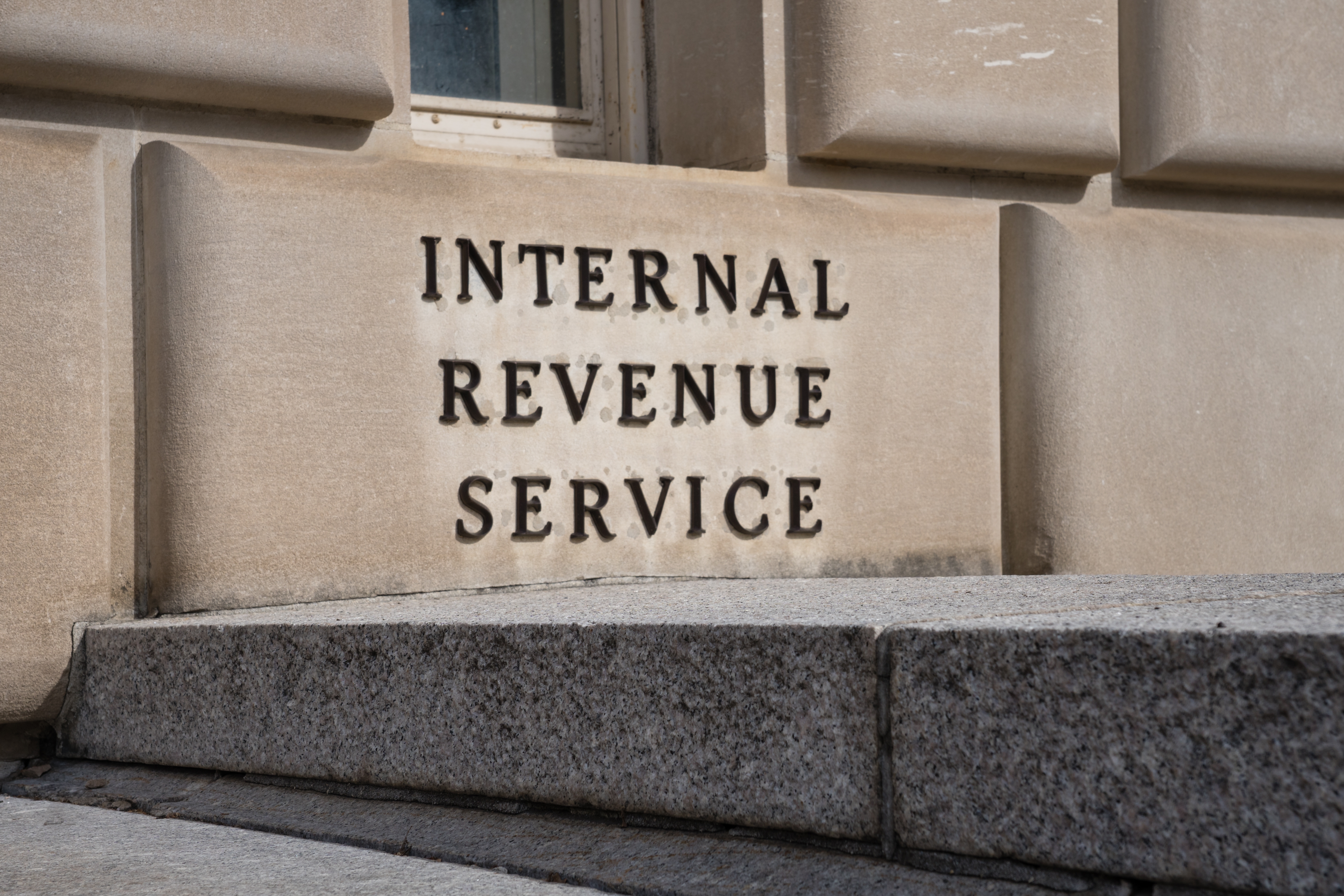
If you live in Maryland, Washington D.C., or Northern Virginia, you already know this region has one of the most complex financial landscapes in the country. High housing costs, child-care expenses that rival rent, student loans, federal and state tax withholdings, and constantly shifting employment conditions in government, contracting, healthcare, and IT all create situations…
-
Can You Really Settle Your Tax Debt for Less Than You Owe in Maryland & the Mid-Atlantic?

If you’ve spent any time searching for tax debt solutions, you’ve probably seen ads promising to “erase your IRS debt” or “settle for pennies on the dollar.” The truth? Yes, the IRS does settle tax debt for less than what’s owed — but only for people who genuinely qualify, and the majority of applications get…
-
IRS Wage Garnishment — Your Rights and Legal Solutions

When the IRS takes money directly from your paycheck, it’s one of the most stressful financial events a taxpayer can face. Fortunately, the law gives you clear rights — and several legal options — to stop it. What Is an IRS Wage Garnishment? If you owe federal back taxes, the IRS can instruct your employer…
-
The 10-Year Rule — How Long Can the IRS Collect Your Back Taxes?

The IRS may seem relentless, but its collection power isn’t unlimited. Under federal law, the agency generally has 10 years from the date of assessment to collect your back taxes — after which the debt expires. When the Clock Begins The countdown starts once the IRS formally assesses your liability, usually after you file or…